Kalyana: A Script Handwritten Font for Web Design
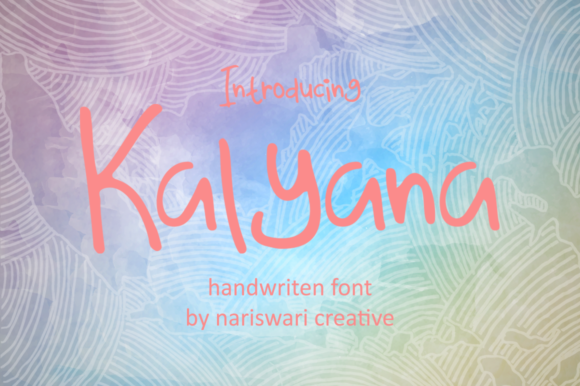
Kalyana is a distinctive Script Handwritten typeface that bridges the gap between casual charm and professional digital aesthetics, offering web designers a versatile tool for creating engaging online experiences. As a creator of digital products and user interfaces, I constantly search for Fonts that do more than just display text; they must evoke emotion, guide the user’s eye, and reinforce brand identity without sacrificing readability. Kalyana fits this niche perfectly, providing a relaxed yet structured handwritten style that feels authentic and approachable in a crowded digital landscape.
Enhancing Visual Hierarchy with Kalyana in Hero Sections
When designing landing pages or homepages, the hero section is the most critical real estate for capturing user attention. Kalyana excels here as a display font, allowing designers to craft headlines that feel personal and inviting rather than corporate and cold. Because it is a Script Handwritten font, it naturally draws the eye, breaking the monotony of standard sans serif body copy. However, using such expressive Fonts requires a strategic approach to visual hierarchy. I recommend using Kalyana for short, impactful phrases—such as value propositions or welcome messages—rather than long paragraphs. This ensures that the unique character of the handwriting remains legible and impactful, encouraging users to scroll further into the content.
Balancing Readability and Style in Digital Layouts
The primary challenge with any handwritten typeface is maintaining readability across various devices. Kalyana is designed with a relaxed style that retains clear letterforms, making it more suitable for digital screens than many overly decorative scripts. When implementing this font, consider the contrast between the text and the background. On light backgrounds, ensure the stroke weight is sufficient to remain visible, while on dark backgrounds, the white space within the letters should be open enough to prevent visual clutter. For mobile responsiveness, avoid using Kalyana at small sizes; instead, reserve it for larger headings where its artistic details can be appreciated without causing eye strain.
Elevating Brand Identity for Boutique Online Stores
For e-commerce sites, particularly those selling handmade goods, fashion, or lifestyle products, the font choice directly influences perceived value and brand trust. Kalyana serves as an excellent component of a cohesive brand identity, signaling creativity and care. When used in product banners or promotional graphics, this Script Handwritten font adds a human touch that sterile geometric fonts often lack. It suggests that there is a person behind the brand, which can significantly increase conversion rates for niche markets. By integrating Kalyana into your design system, you create a consistent online identity that resonates with customers looking for authenticity and quality.
Strategic Font Pairing for Web Typography
To maximize the effectiveness of Kalyana, it must be paired with complementary typefaces. Since Kalyana is a decorative script, it pairs best with clean, neutral sans serif fonts for body copy. This contrast creates a balanced layout where the handwritten elements stand out as accents, while the sans serif ensures that detailed information remains easy to scan. Avoid pairing it with other script fonts or overly complex serif fonts, as this can create visual competition and reduce overall clarity. A good rule of thumb is to let Kalyana handle the emotional heavy lifting in headings and logos, while a simple, highly readable font handles the informational load in paragraphs and navigation menus.
Optimizing Social Media Graphics and Digital Ads
Beyond website design, Kalyana is a powerful asset for social media marketing and digital advertising. The description notes that whether you are looking for fonts for Instagram or calligraphy scripts for DIY projects, Kalyana turns creative ideas into true pieces of art. In the context of web design and digital marketing, this means the font performs exceptionally well in square or vertical formats used on platforms like Instagram, Pinterest, and Facebook. When creating story highlights, quote cards, or promotional posts, Kalyana’s relaxed style captures attention in fast-scrolling feeds. Its handwritten nature makes static images feel more dynamic and engaging, encouraging users to stop and interact with the content.
Using Kalyana for Call-to-Action Elements
While typically reserved for headings, Kalyana can also be used sparingly in call-to-action (CTA) areas to add emphasis. For instance, using the font for a button label like "Join Us" or "Get Started" can make the action feel more personal and less transactional. However, this should be done with caution. Ensure the button size is large enough to accommodate the ligatures and connections typical of script fonts. If the text becomes too cramped, it may hinder usability. Test these elements thoroughly on both desktop and mobile views to ensure that the aesthetic appeal does not compromise the functional goal of driving clicks.
Technical Considerations for Web Implementation
From a technical standpoint, implementing Kalyana requires attention to file formats and loading performance. As with any premium font, ensure you have the appropriate webfont licenses for commercial use on client projects or online stores. Using formats like WOFF2 can help minimize file size and improve page load speeds, which is crucial for SEO and user experience. Additionally, check if the font package includes multiple weights or alternates. Having access to different styles allows for greater flexibility in design, enabling you to adjust the visual weight of headings to match the tone of different sections on a website. Always define fallback fonts in your CSS stack to ensure that if Kalyana fails to load, the layout remains structurally sound with a similar generic serif or sans serif substitute.
Licensing and Commercial Use for Digital Products
Before deploying Kalyana in any commercial web project, verify the licensing terms regarding digital embedding and distribution. Many font licenses distinguish between desktop use and web use, requiring specific permissions for embedding fonts in websites or digital templates. For designers creating themes, templates, or SaaS products, ensuring proper licensing protects both the creator and the end-user from legal issues. Investing in a properly licensed version of Kalyana not only supports the type designer but also guarantees that you have the right to use this high-quality asset in revenue-generating digital environments, from coaching websites to comprehensive brand kits.